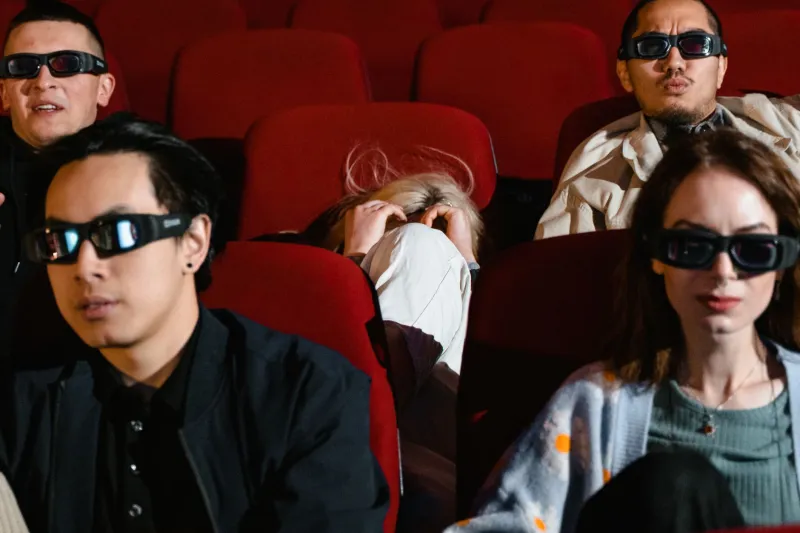
Cool Kids Don't Catch Up Anymore: The Rise of the Proudly Unbothered Fan
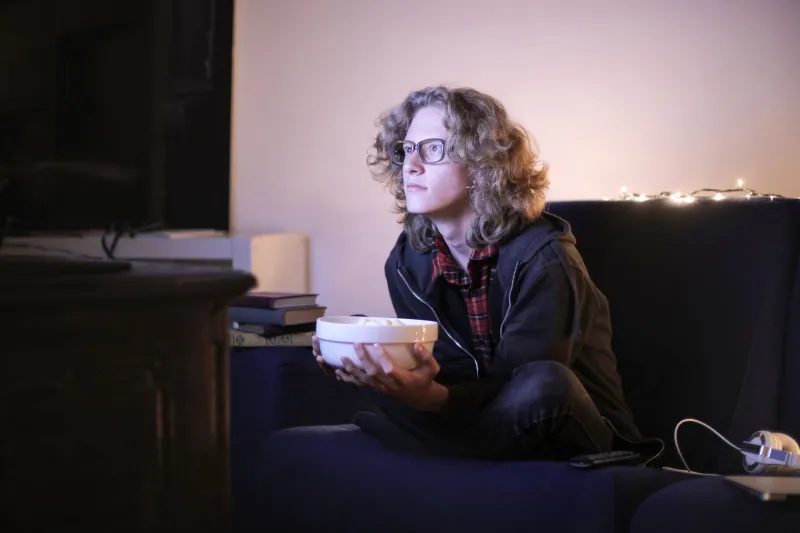
Somewhere between the fifteenth "have you seen it yet?" text and the fourth unskippable recap episode of a show you never actually committed to, something snapped. Not dramatically. Not with a manifesto or a viral thread. Just quietly, in the way that real cultural shifts tend to happen — one person at a time deciding they were done performing enthusiasm they didn't feel.
The casual fan is back. And this time, they're not hiding.
The Exhaustion Nobody Wanted to Admit
For a solid decade, pop culture operated like a treadmill set just fast enough to make you sweat. A new prestige drama every week. A cinematic universe expanding in six directions at once. A celebrity moment that required a full briefing just to understand why everyone was upset. Keeping up wasn't a hobby — it was practically a part-time job.
And for a while, people did it. They binged. They live-tweeted. They showed up to Monday morning conversations armed with hot takes and episode timestamps. There was social currency in being current, and nobody wanted to be the person at the table who hadn't seen the thing everyone was talking about.
But that currency? It's been quietly devaluing.
"I used to feel genuinely stressed if I was behind on something," says one 29-year-old in Chicago who asked to stay anonymous, because — her words — "even admitting this feels weird." "Now I just... don't watch it if I don't feel like it. And honestly? I feel fine."
She's not alone. Not even close.
FOMO Had a Good Run
Fear of missing out built an entire content economy. Streaming platforms engineered cliffhangers and weekly release schedules specifically to keep audiences locked in. Social media algorithms rewarded real-time reactions. Entertainment marketing leaned hard into urgency — watch now, talk now, or get left behind.
It worked. For a while. But there's a ceiling on how much manufactured urgency a person can absorb before it starts feeling less like excitement and more like homework.
Gen Z, in particular, seems to have figured this out faster than anyone expected. The same generation that gets credited with being perpetually online is also the one most likely to shrug at whatever cultural moment is supposed to be mandatory viewing this week. They'll find the thing they actually care about — sometimes years after it aired — and engage with it on their own timeline, their own terms.
There's even a term floating around certain corners of the internet: "slow fan." Someone who discovers a show three seasons in, marathons it over a long weekend, and shows up to the conversation fashionably late and completely unbothered about it.
Being 'Behind' Is Having a Moment
Here's the twist that nobody in a boardroom saw coming: admitting you haven't seen something is no longer a social liability. In a lot of circles, it's almost a flex.
There's something quietly rebellious about saying "I haven't gotten to that yet" without a trace of apology in your voice. It signals that your attention isn't for sale. That you're not just consuming content because an algorithm told you it was urgent. That you have, in some small but meaningful way, taken back control of your own leisure time.
And honestly? People respect it.
The pressure to perform cultural currency — to prove you watched the finale the night it dropped, that you caught the discourse before it peaked, that you were there — is starting to feel a little desperate. Like showing up to a party and immediately listing all the other parties you've been to. Nobody's impressed. Everybody's tired.
What This Means for the Entertainment Machine
For companies built on the always-on content model, this is an awkward moment to reckon with.
The strategy for years has been volume and velocity. More content, released faster, marketed louder. The assumption was that audiences would keep pace if you just kept producing. But when audiences start self-selecting out of the race entirely, volume stops being an asset. It becomes noise.
Some platforms are already quietly pivoting. Longer gaps between seasons. More emphasis on "event" programming that feels genuinely worth showing up for, rather than a weekly obligation. A renewed interest in making individual pieces of content feel substantial rather than disposable.
There's also a growing recognition that the parasocial pressure put on audiences — the expectation that fans will track every celebrity update, every behind-the-scenes moment, every brand partnership — has a burnout ceiling. When fans feel like keeping up requires emotional labor, a meaningful chunk of them will eventually just... stop.
The casual fan doesn't hate the content. They just refuse to be managed by it.
Selectivity Is the New Sophistication
What's interesting is that casual fandom doesn't mean disengaged fandom. If anything, the people opting out of the always-current treadmill tend to engage more deeply with the things they do choose. They're not skimming. They're actually watching. Actually reading. Actually caring — because they chose this, not because a push notification told them to.
That kind of intentional consumption is something entertainment companies should probably be paying closer attention to. An audience member who genuinely wanted to be there is worth more than ten who showed up out of obligation and checked their phones through the whole thing.
The era of manufactured urgency isn't over. But its grip is loosening. And in the space that's opening up, something more interesting might actually grow — entertainment that earns attention instead of demanding it.
The Unbothered Fan Wins
So if you're sitting on a three-season backlog of a critically acclaimed drama, or you still haven't seen whatever everyone was posting about last month, or you genuinely don't know what the current discourse is about — welcome to the winning team.
You're not behind. You're just not running a race you didn't sign up for.
And in a media landscape that spent years convincing you that keeping up was the whole point, deciding it isn't might be the most culturally interesting thing you can do right now.