Don't Tell Me How It Ends: Viewers Are Reclaiming the Lost Art of Being Surprised
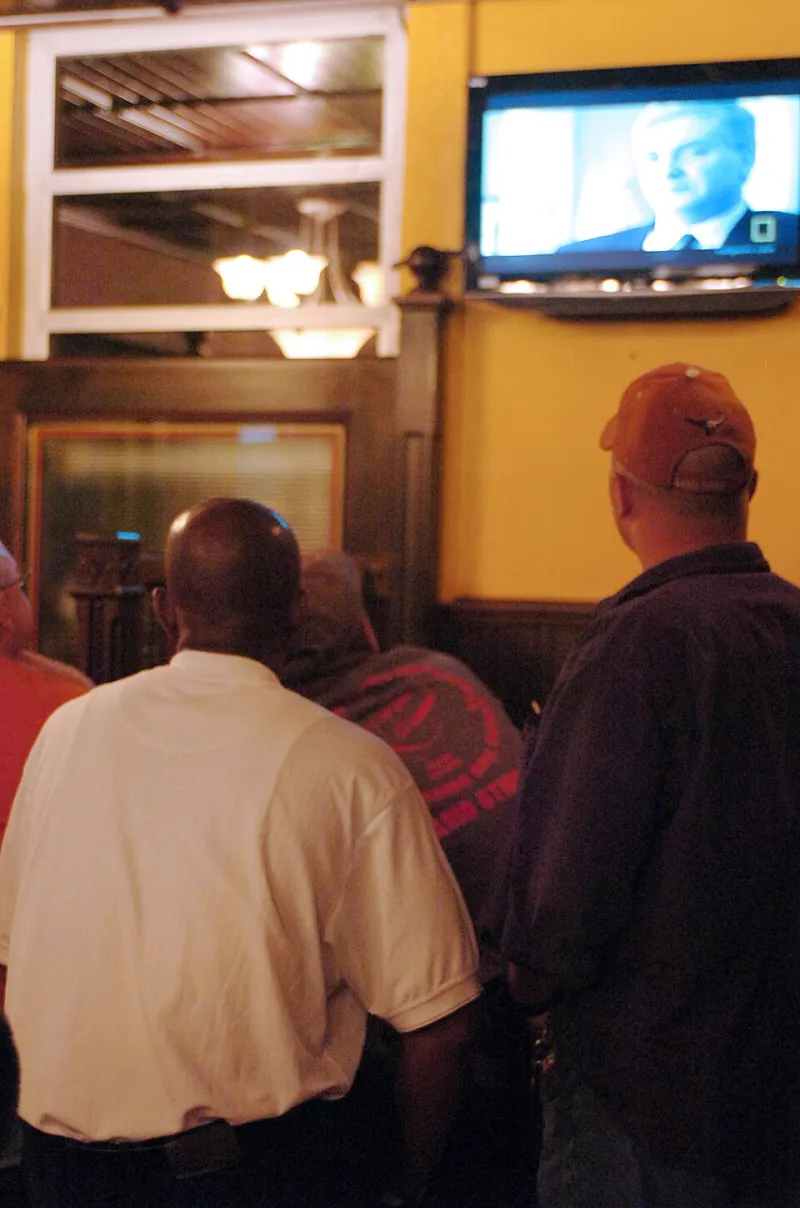
Photo: Unknown authorUnknown author, Public domain, via Wikimedia Commons
There's a specific kind of modern dread that almost everyone with a phone and a streaming subscription recognizes. You're two episodes into something genuinely good — something that's got you hooked in that rare, old-fashioned way — and then you make the mistake of opening Twitter. Or TikTok. Or Reddit. And within thirty seconds, someone has already told you exactly what happens in episode seven. Sometimes with a reaction gif. Sometimes with a full breakdown thread. Always without warning.
For years, the cultural assumption was that this was just the deal. We live in a real-time world. Information moves fast. If you're not watching in lockstep with the rest of the internet, you've opted out of the conversation and accepted the consequences. But something has started to crack in that consensus — and it's cracking loudly.
The Backlash You Didn't See Coming (Appropriately Enough)
Across Reddit, Discord, and even some corners of TikTok itself, spoiler-free communities have been growing steadily over the past two years. Subreddits dedicated to specific shows now commonly enforce strict no-spoiler rules with real moderation behind them. Discord servers organized around prestige TV or ongoing streaming series have entire channels — sometimes the most active ones — where the single rule is simple: don't ruin it.
This isn't just a niche behavior among particularly precious viewers. Survey data from entertainment research groups consistently shows that a significant majority of American viewers say spoilers genuinely diminish their enjoyment of a show or film — and a growing segment report actively avoiding social media around major release weekends specifically to protect their experience.
The thing is, that behavior used to be considered almost antisocial. Missing the cultural conversation felt like missing the point. But viewers are increasingly deciding that the experience of the story is the point — not the performance of having consumed it fast enough to participate in a Twitter thread.
What Streaming Did to the Rhythm of Storytelling
To understand the backlash, you have to understand what full-season drops actually changed. When Netflix pioneered the binge model in the early 2010s, it felt revolutionary. No more waiting a week. No more cliffhangers designed to torture you into tuning in next Thursday. You could just watch, at your own pace, on your own terms.
What nobody fully anticipated was what that model would do to the communal experience of television — and to the internet's relationship with spoilers. When every episode drops at once, there's no shared timeline. Some people watch the whole thing in a weekend. Others spread it out over a month. And the loudest voices online — the ones writing recaps, posting reactions, generating the discourse — are almost always the ones who watched everything immediately.
The result is a strange new pressure: watch fast or be spoiled. That's not really freedom. That's a different kind of schedule, one set by algorithm and social anxiety rather than a broadcast network.
The weekly release model, which Netflix and other platforms once treated as a relic, has quietly staged a comeback. The Bear, Andor, The White Lotus, House of the Dragon — prestige television that drops week by week has consistently generated longer, more sustained cultural conversations than comparable binge releases. There's something about the enforced pause, the shared anticipation, that makes the experience feel communal again.
The Psychology of Not Knowing
There's real science underneath the emotional reaction people have to spoilers, and it's more nuanced than you'd expect. Research from UC San Diego famously suggested that spoilers might actually enhance enjoyment for some viewers by reducing anxiety and allowing them to focus on craft. That finding made the rounds a few years ago and became a favorite talking point for the pro-spoiler crowd.
But more recent work has complicated that picture considerably. For emotionally invested viewers — the ones for whom a show or film genuinely matters — the element of surprise isn't just a bonus. It's central to the emotional architecture of the experience. The gasp, the gut-punch, the moment that reframes everything you thought you understood: those land differently, and harder, when they're genuinely unexpected.
Storytellers have always known this. The reason The Sixth Sense became a cultural touchstone wasn't just the twist — it was the shared experience of not knowing, followed by the shared experience of finding out. That's a communal moment. Spoil it, and you've collapsed that shared experience into an individual transaction. Something is genuinely lost.
How the Platforms Are (Slowly) Responding
Streaming giants aren't exactly known for responsiveness to cultural sentiment, but there are signs that the industry is paying attention. The gradual return of weekly episode schedules at Netflix, Disney+, and Apple TV+ isn't accidental. It's a deliberate recalibration — one driven partly by content strategy (more weeks of engagement, more subscription retention) but also by a growing acknowledgment that audiences respond differently to stories with breathing room.
There's also been a quiet shift in how some platforms handle marketing and social around major releases. Spoiler embargoes, once primarily a theatrical tradition, are appearing more frequently around streaming premieres. Some shows are now requesting that even critics hold major plot reveals for extended periods after launch — a practice that would have seemed overly precious in the peak-binge era.
None of this is a full reversal. The data-driven instincts of streaming platforms still favor the full-drop model for many releases. But the industry is clearly watching what happens when a show generates weekly conversation versus a single weekend explosion, and the weekly numbers are making a compelling case.
What Viewers Are Actually Asking For
At its core, the anti-spoiler movement isn't really about spoilers. It's about something bigger: the right to experience a story on your own terms, at your own pace, without the internet deciding when you've waited long enough.
Viewers aren't asking for a return to the appointment television of the 1990s. They're asking for a culture that treats the act of watching — of genuinely being surprised, moved, or unsettled by a story — as something worth protecting. Not everything needs to be content. Some things can just be... an experience.
The audiences reclaiming that space aren't anti-social or behind the times. They might actually be ahead of them. In an entertainment landscape drowning in content, genuine surprise has become genuinely rare. And rare things, as any good storyteller knows, are worth protecting.
So maybe don't post that thread just yet. Let someone else find out for themselves.