You Can't Go Home Again: The Bittersweet Science of Rewatching Childhood Favorites
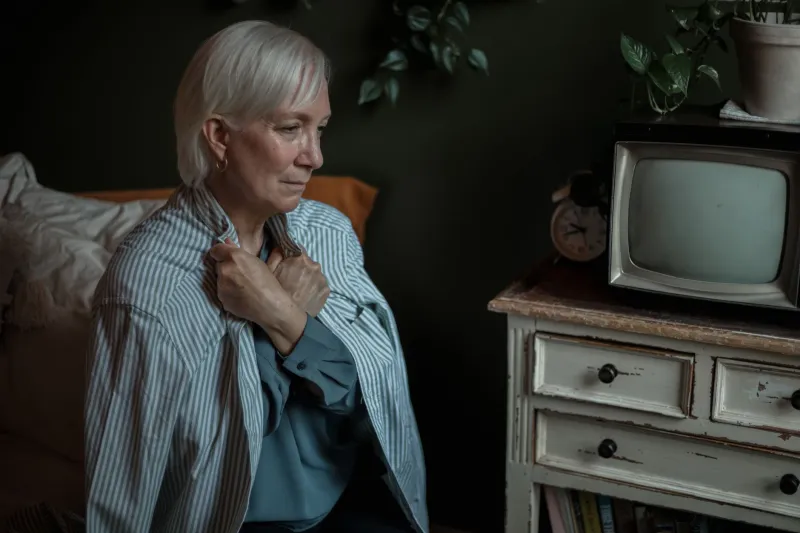
It starts with the best intentions. Maybe it's a rainy Sunday, or you're feeling vaguely nostalgic after a hard week, or someone mentions the show in passing and the memory hits you like a warm wave. You pull it up. The theme song plays. For about forty-five seconds, you feel exactly like you did at nine years old.
And then something shifts. The dialogue is clunkier than you remembered. The pacing is strange. The jokes land differently — some worse, some in ways that make you actively uncomfortable. The thing you loved, the thing you've been describing to people for years as formative and brilliant, turns out to be... fine. Just fine. Maybe a little dated. Definitely not the masterpiece you'd been carrying around in your memory.
You close the tab. You feel vaguely sad. You're not entirely sure why.
This experience is so common it's practically a cultural rite of passage. And it's getting more frequent — because streaming has made every piece of media from your past instantly, frictionlessly available. The barrier between the person you are now and the thing you loved at ten is nothing but a search bar.
What Memory Actually Does to Old Media
Here's the thing your brain doesn't tell you when it's serving up warm nostalgic feelings: it's been editing this whole time.
Memory is not a recording. It's a reconstruction — and every time you reconstruct a memory, you subtly revise it. The things that mattered to you get emphasized. The boring parts, the awkward bits, the moments that didn't land — those get compressed or dropped entirely. What you're left with, after years of remembering, is a highlight reel that your brain has been quietly producing without your consent.
"What we remember about a piece of media is almost always better than the media itself," says Dr. James Whitfield, a cognitive psychologist based in Boston who studies memory and emotional attachment. "We remember how it made us feel. We remember the moments that hit us hardest. We don't remember the twenty minutes of filler between those moments."
So when you rewatch something from childhood, you're not comparing the show to your memory of the show. You're comparing the actual show — all ninety minutes or twenty-two episodes of it, including the filler — to a curated emotional experience that your brain has been refining for fifteen years. The show can't win that comparison. Nothing could.
The Gap Between Then and Now
There's a second, more uncomfortable thing happening when a childhood favorite doesn't hold up: you're confronting the distance between who you were and who you are.
The version of you that loved this show was a different person. Different context, different concerns, different emotional needs, different level of media literacy. That kid needed something specific from this piece of entertainment, and the show delivered it. The adult you has different needs, different sensitivities, and a lot more experience with storytelling — which means the seams that were invisible at nine are now very visible at thirty-two.
Rewatching isn't just about the show. It's about locating yourself in time.
"There's a kind of grief in it," says therapist and cultural commentator Naomi Vasquez, who has written about nostalgia and identity. "You're not just disappointed in the show. You're mourning the version of yourself who experienced it the first time. That person is gone, and the show was supposed to be a portal back to them. When the portal doesn't work, it's disorienting."
This might explain why the sadness that follows a disappointing rewatch feels disproportionate to the situation. You didn't just watch a mediocre TV show. You tried to access a version of yourself that no longer exists, and discovered you can't.
When It Does Hold Up — And What That Means
Not every rewatch ends in disappointment. Some things genuinely hold up, and that's worth examining too. When a childhood favorite survives the test of time and adult eyes, it's usually because it was doing something more sophisticated than you realized at the time.
The best children's and family entertainment has always operated on multiple levels simultaneously — jokes that land differently for kids and adults, emotional truths that resonate across ages, themes complex enough to reward re-engagement. If a show or film holds up, it's often because it was never really just for children in the first place.
But there's also something else at play. Sometimes a piece of media holds up because the adult you shares enough with the child you to still find it meaningful. That's actually kind of beautiful. It means some part of you is continuous across time — that the thing that moved you then moves you now, which suggests something stable and real about who you are.
The Streaming Effect
All of this has been turbocharged by the streaming era. Before on-demand access, revisiting childhood media required real effort — finding a VHS at a garage sale, tracking down a DVD, catching a cable rerun. That friction was, unintentionally, protective. It kept the memory intact by making the actual thing hard to access.
Now the gap between impulse and access is essentially zero. You think of something, you watch it, you experience the disappointment in real time. The nostalgic impulse and the disillusionment it produces are happening closer together than ever before.
"Streaming has basically industrialized nostalgia," says Dr. Whitfield. "The platforms know people will click on things from their past. They've made it as easy as possible. But they haven't figured out — and maybe can't figure out — that easy access doesn't mean satisfying access."
This might explain why comfort rewatching of things people actually remember watching as adults — shows from their twenties, films they saw in college — has become so popular. That gap between memory and reality is smaller. The editing hasn't had as long to run. The show is closer to what you actually remember.
Making Peace with the Gap
So what do you do with all of this? Is the answer to stop rewatching? To protect your memories by leaving them unverified?
Maybe. But there's another option: approaching the rewatch as something other than a time machine. Not "I'm going back to something I loved" but "I'm watching something that mattered to me, and I'm curious what I'll find now."
That reframe changes the experience. The disappointment doesn't disappear, but it becomes information rather than loss. The clunky dialogue tells you something about how much your taste has evolved. The uncomfortable jokes tell you something about how culture has shifted. The parts that still hit you — and there are usually some — tell you something true about who you are across time.
You can't go home again. But you can visit, learn something from the trip, and come back knowing yourself a little better.
That's not nothing. In fact, for a rainy Sunday afternoon, it might be exactly enough.